
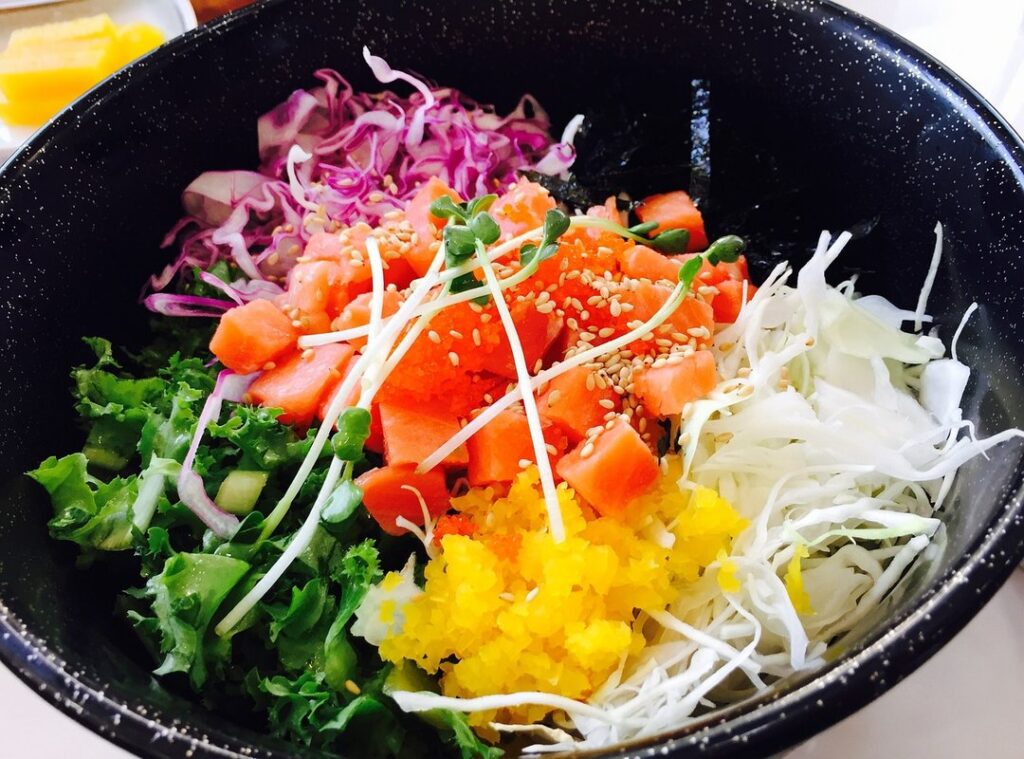
You typed Is Glarosoupa Sashimi Good Me Hsfpewhixon into Google.
I saw that.
And I get why you did.
It sounds like a dish. But it’s not one you’ll find on any menu. Not in Athens.
Not in Tokyo. Not even at that weird fusion spot downtown.
Glarosoupa means “anchovy soup” in Greek. Sashimi means “pierced body” (raw) fish, sliced thin. Putting them together?
It’s not a real thing. (At least not yet.)
So why are you searching for it? Because you care about what you eat. Because you saw it somewhere (maybe) a blurry Instagram post or a mistranslated blog (and) now you’re wondering: *Is this healthy?
Is it safe? Should I try it?*
I’ve cooked both dishes. I’ve eaten anchovies straight from the tin. I’ve had sashimi that made me question life choices.
This article cuts through the noise. No jargon. No guessing games.
Just plain talk about fish soup, raw fish, and what actually matters for your health.
You’ll walk away knowing exactly what’s in it (and) whether it belongs in your bowl.
Glarosoupa Sashimi? Let’s Pause.
I’m not sure what “Glarosoupa Sashimi” means.
And that’s okay.
Glarosoupa is a Greek fish soup. Lean white fish, onions, carrots, celery, lemon juice. Simple.
Hearty. Real food. Sashimi is raw fish.
Thin. Cold. Served with soy and wasabi.
Not cooked at all.
So “Glarosoupa Sashimi” isn’t a thing on any menu I’ve seen. Not in Athens. Not in Tokyo.
Not in my kitchen.
Maybe someone mashed two words together by accident. Or maybe they meant Glarosoupa Mple Istoria (a) real dish with real history. And got tangled in translation.
(You can read more about it here.)
Could it be soup with barely-poached fish? Or sashimi served next to soup? Possibly.
But nobody calls it that. And if you’re asking Is Glarosoupa Sashimi Good Me Hsfpewhixon, you’re probably just trying to figure out if it’s healthy (or) even edible.
It’s not about getting the name right. It’s about knowing what’s in your bowl. Raw fish?
Cooked fish? Acid from lemon? Heat from broth?
Those matter way more than the label.
I’d eat the glarosoupa. I’d eat the sashimi. But I wouldn’t serve them as one dish (unless) I knew exactly why.
Glarosoupa Is Not Sashimi (And That’s Fine)
I make Glarosoupa every other week. Not because it’s trendy. Because it fills me up without weighing me down.
It’s lean protein from the fish. Usually cod or hake (plus) carrots, celery, onions. Real food.
Not supplements. You get potassium, vitamin A, some B12. All from the pot.
The broth is mostly water with flavor. So it hydrates while you eat. That matters when your throat’s raw or your head’s foggy.
(Yes, I’ve eaten it with a fever. Yes, it helped.)
Is Glarosoupa Sashimi Good Me Hsfpewhixon? No. It’s not sashimi.
It’s soup. And that’s the point.
Glarosoupa uses lean fish. Not oily salmon or mackerel (so) omega-3s are modest. Don’t expect miracles.
But you don’t need them here. This isn’t a supplement. It’s lunch.
It’s soft. Warm. Easy on the gut.
I’ve served it to kids, grandparents, and myself after stomach flu. All of us kept eating.
Low calories? Yes. Low fat?
Yes. But more importantly. It doesn’t fight you.
It sits right. You don’t think about digestion. You just finish the bowl.
Some soups feel like chores. Glarosoupa doesn’t.
Raw Fish: Worth the Risk?
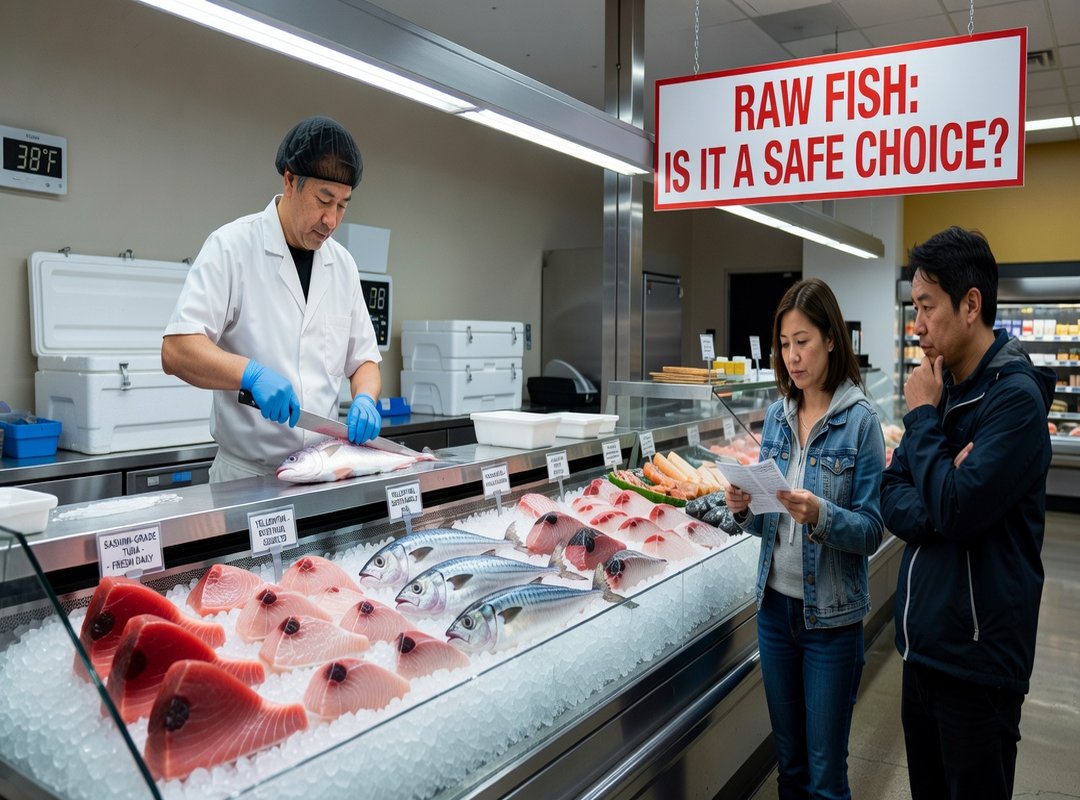
I eat sashimi. I also know people who got sick from it. You ever wonder why some chefs won’t touch raw tuna unless it’s been frozen first?
Sashimi gives you lean protein, omega-3s (especially from salmon and tuna), vitamin D, B12, and selenium. Cooking can break down some of those nutrients (so) yes, eating it raw does preserve certain benefits. (But not all.
Heat also makes some nutrients more available.)
Is Glarosoupa Sashimi Good Me Hsfpewhixon? I don’t know. That’s why I check sourcing first.
Raw fish carries real risks. Parasites. Salmonella.
Listeria. It’s not theoretical (I’ve) seen it happen to someone who trusted a sketchy supplier.
Freshness matters. So does freezing. So does your fishmonger’s reputation.
If they won’t tell you where it came from, walk away.
Pregnant women? Skip it. Young kids?
Too risky. Older adults? Immune-compromised folks?
Same answer.
You think “sushi-grade” means safe? It doesn’t mean much legally. It’s just a label.
Ask questions. Demand transparency.
Globally Glarosoupa Teched Defstupgamible is one place that actually documents their supply chain. Not all do.
Do you trust the person who handled your fish before you did?
What’s your cutoff for freshness? Two days? One day?
Same-day catch only?
I freeze my own tuna at -4°F for 7 days before serving it raw. Not everyone does that.
Would you?
Glarosoupa Sashimi: Good or Risky?
I’ve eaten it twice. Once in a tiny Athens taverna where the fish came off the boat that morning. Once at a mall food court.
Big difference.
It’s not the broth that worries me. Glarosoupa is warm, salty, full of olive oil and lemon. It’s the sashimi part that decides everything.
Is Glarosoupa Sashimi Good Me Hsfpewhixon? Only if the raw fish is flawless.
You think “fresh” means “just caught.” It doesn’t. It means handled cold, inspected, sliced right before serving. No gaps.
No delays. No shortcuts.
If that happens, yes (you) get protein, omega-3s, collagen from the broth, vitamin C from the lemon. A real meal.
But if the fish sat out too long? Or wasn’t stored below 40°F? Or came from sketchy waters?
Then you’re rolling dice with salmonella or vibrio.
There’s no middle ground here. Not like with grilled fish. Raw means zero margin for error.
You wouldn’t eat raw chicken. So why treat raw sea bass differently?
Restaurants don’t always tell you how old the fish is. Or where it came from. Or who sliced it.
So ask. Watch the prep area. Skip it if you’re unsure.
No fancy label or pretty plating fixes bad sourcing.
The broth won’t hurt you. The fish might.
And if you’re already Googling “how to clean teeth after eating fish soup,” maybe check out this Teeth Glarosoupa Cleaning Hack Hsfrespirate.
Fish Choices That Won’t Make You Sick
Is Glarosoupa Sashimi Good Me Hsfpewhixon? Not really (because) it’s not a real dish.
I’ve seen people order it thinking it’s authentic. It’s not.
But here’s what is real: raw fish carries real risk. Cooked fish soup? Safe.
Fresh sashimi? Fine (if) the fish was handled right.
You already know that. You’ve probably eaten something questionable and paid for it later.
So skip the made-up names. Stick to dishes you recognize. Ask where the fish came from.
If the answer feels vague, walk away.
Your gut doesn’t lie. Neither does food poisoning.
Want fish without the worry? Choose cooked. Or verify the source before you bite.
Go check your next menu. And ask one question: “Is this fish safe to eat raw?”
If they hesitate? Order the soup.
 As PMW Gamester's lead mechanics analyst, FierceRabbit brings a razor-sharp focus to the technical side of modern gaming. FierceRabbit specializes in dissecting complex gameplay loops, breaking down competitive meta shifts, and explaining the intricate engineering behind responsive game design. Whether decoding frame data or evaluating balancing patches, FierceRabbit's deep technical expertise ensures our readers always understand not just what changed in their favorite titles, but exactly how it impacts their next match.