
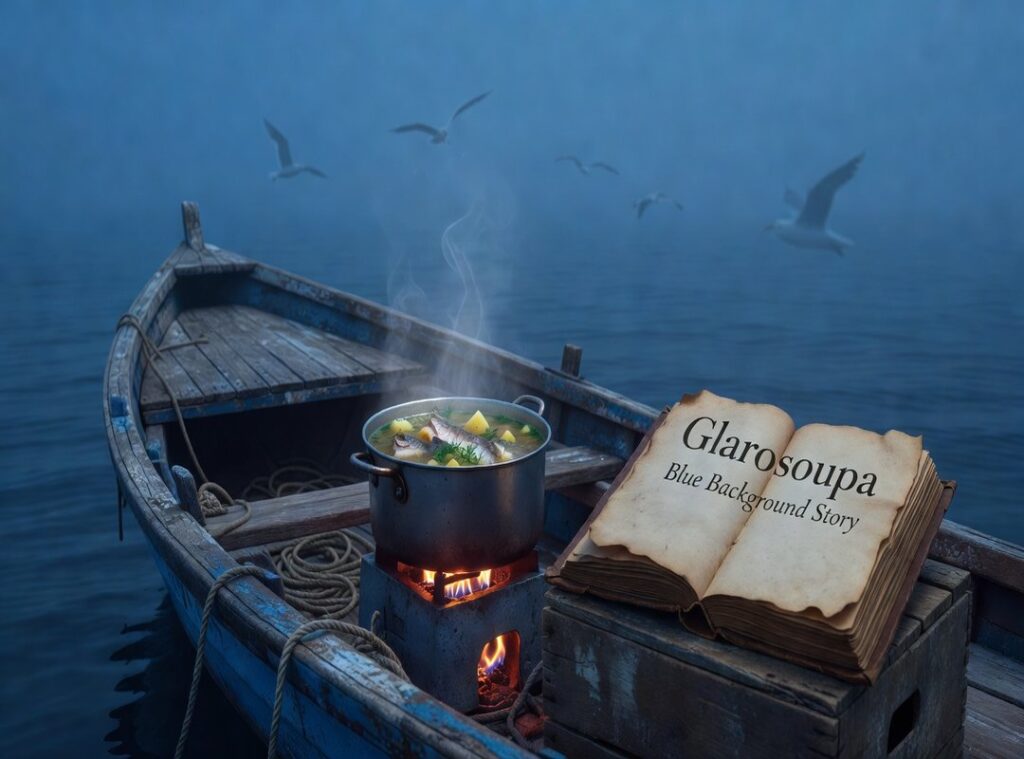
Glarosoupa Mple Istoria. Say it out loud. It sounds like a menu item from a seaside taverna (until) you realize nobody serves seagull soup.
Glarosoupa Mple Istoria means Blue History. Not “blue” like sad. Not “history” like textbooks.
It’s Greek slang. A punchy, ironic phrase people use when something is so obviously fake or absurd that it’s almost theatrical.
I’ve heard it shouted in Athens cafes. Seen it scribbled on protest signs. Watched it trend after politicians made wild claims.
It’s not academic. It’s alive. And it’s been around longer than most Greeks admit.
You’re here because you Googled it. You want to know where it came from. Not some vague “ancient roots” story.
But the real, messy, human origin. Who said it first? Why seagull?
Why blue? Why soup?
I’ve spent years studying how Greek idioms stick. And why some go viral while others rot in old dictionaries.
This one stuck for a reason.
No fluff. No guesswork. Just the facts, the context, and the cultural weight behind three words.
By the end, you’ll get it. And you’ll know when to use it.
Glarosoupa Mple Istoria Means “Stop Talking”
I heard it first from my cousin at a family dinner. He launched into why the toaster broke. Ten minutes in, I said, “Okay, enough of the Glarosoupa mple istoria already.”
It’s not Greek. It’s nonsense with purpose. “Glarosoupa” = seagull soup. (Which nobody makes.
Or wants.)
“Mple istoria” = blue history. (Not sad. Just long.
And weirdly colored.)
You use it when someone gives you every detail (even) the ones that don’t matter. Like why your coworker’s cat didn’t like the new litter box. Or how your friend picked that brand of toothpaste in 2017.
It’s sarcasm wrapped in absurdity. You’re not mad. You’re just done.
You want the point. Not the backstory. Not the footnotes.
Not the weather report from Tuesday.
I used it last week. My neighbor explained how his garden hose got tangled. Three times.
I smiled and said, “Glara-soup-a.”
He laughed and shut up.
It works because it’s ridiculous. And because everyone’s been on the receiving end of a story that never lands. You know that feeling (when) your eyes glaze over but your mouth stays politely open?
That’s when you need this phrase. Not to be rude. Just to draw the line.
Why Seagull Soup?
I hate seagull soup.
Not because I’ve tried it (I haven’t (and) neither have you).
It’s gross on principle.
Glarosoupa Mple Istoria isn’t real food. It’s a joke with teeth.
Most Greeks cringe at the phrase. Seagulls? In soup?
No. That’s not dinner. That’s a red flag.
So why use it? Because it sticks. Like glue.
Like regret.
Think about other Greek idioms: “έμπλεξα σε μια σούπα” means I got into a mess. Not a bowl. A tangle.
A headache. A story so tangled it loops back on itself.
Soup here isn’t nourishing. It’s confusing. Thick.
Hard to stir. Harder to escape.
A seagull in that soup? That’s the final absurdity. The detail that breaks the brain.
You know that feeling when someone explains something and you nod. But your eyes glaze over? That’s Glarosoupa Mple Istoria.
It’s not lazy language. It’s precise.
Why say “complicated explanation” when you can say “seagull soup”?
One makes you yawn. The other makes you snort.
And yeah (snorting) is part of the point.
Real talk: how many times have you heard an excuse so wild it sounded like a cooking show gone wrong?
That’s the soup. That’s the seagull. That’s the story.
The ‘Blue History’ Part: What’s So Blue About It?

I call it Glarosoupa Mple Istoria when someone starts talking and never stops.
“Blue” here isn’t about the sky or denim. It’s about that low, heavy feeling you get mid-sentence (like) your eyes are glazing over and your brain is checking out.
In Greek, “blue” (mplo) can mean sad. Or endless. Or both.
You’ve heard it before: a story that drags. A relative who tells the same tale—twice (with) extra flourishes neither of us asked for.
That’s the “blue” part. Not color. Mood.
Duration. Weight.
History already feels long. Add “blue,” and it’s like watching paint dry… while someone narrates the drying process.
Why does this happen? Because some stories aren’t meant to be told. They’re meant to be edited.
Or skipped.
You know that moment when you nod along but your foot is tapping? That’s the blue history kicking in.
It’s not about facts. It’s about stamina. Yours.
I’ve sat through three-hour versions of how Aunt Eleni lost her spoon in ’97. (She found it. Under the couch.
Big surprise.)
That’s blue history.
No drama. No payoff. Just time, stretching thin.
And yes. It’s exhausting.
You ever zone out so hard you forget what the person was saying two seconds ago?
Exactly.
Glarosoupa Mple Istoria: A Mouthful Worth Swallowing
I’ve heard it at my cousin’s wedding. At the barber shop. Even from my dentist while he scraped tartar.
Glarosoupa Mple Istoria is not two separate things. It’s one sour, salty, overstuffed phrase.
You know that story your uncle tells every Easter? The one about the goat and the tax collector? That’s Glarosoupa Mple Istoria.
Seagull soup tastes like regret and brine. Blue history drags like wet laundry on a Monday.
Put them together and you get something vivid. Slightly rude. Very Greek.
Greeks don’t say “get to the point.” They serve you soup made of birds nobody eats.
It’s not always mean. Sometimes it’s affectionate. Like nudging someone who’s lost in their own plot twist.
At dinner? You’ll hear it when Yiayia starts explaining how her neighbor’s cousin’s dog learned to vote.
With friends? It’s the eye-roll before the laugh. A soft brake on runaway storytelling.
Which Glarosoupa Game Should I Buy Dmgameolificano? (Yes, that’s a real page. No, I’m not joking.)
It works because it’s visual. Because it’s absurd. Because it’s true.
You’ve felt it (that) slow sink when someone’s monologue has no exit ramp.
That’s when you whisper glarosoupa mple istoria under your breath.
And hope they don’t hear you.
Blue History Makes Sense Now
You came here confused. That phrase Glarosoupa Mple Istoria sounded like nonsense. I get it.
Greek idioms don’t translate. They live in context.
We broke it down word by word. We placed it in real Greek life. The humor, the irony, the shrug of the shoulders.
Now it clicks.
No more guessing. No more second-guessing whether you heard it right. You know what it means.
You know why it’s said.
Next time you hear it. In a film, a café, a family argument (you’ll) catch it.
You’ll even smile.
Try saying it yourself. Not to show off. Just to feel the weight of it.
The rhythm. The truth behind the joke.
Or just sit with it. Let it remind you that language isn’t about rules. It’s about people.
Go listen. Go speak. Go understand.
 As PMW Gamester's lead mechanics analyst, FierceRabbit brings a razor-sharp focus to the technical side of modern gaming. FierceRabbit specializes in dissecting complex gameplay loops, breaking down competitive meta shifts, and explaining the intricate engineering behind responsive game design. Whether decoding frame data or evaluating balancing patches, FierceRabbit's deep technical expertise ensures our readers always understand not just what changed in their favorite titles, but exactly how it impacts their next match.