

Game development is changing fast. The complexity that players expect keeps rising, yet many of us are left wondering how AI game development fits into this picture.
Sure, we’ve seen some cool NPCs, but there’s so much more to this technology. I know firsthand how confusing it can be to sift through all the buzzwords and technical jargon.
That’s why I’m here. I want to break down how artificial intelligence is revolutionizing game creation.
I’ll share practical examples and clear definitions, so you can grasp its real-world applications.
This article will help you get through the details of AI in gaming, from concept to player experience.
You’ll learn how AI influences design, enhances gameplay, and shapes future innovations.
By the end, you’ll have the takeaways to understand this complex space with confidence.
Let’s dive into how AI is changing the game, literally.
AI in Games: More Than Code
When people think about AI in games, they often picture simple scripts. But AI game development is way more than that. It’s about creating worlds that adapt.
We’re seeing a shift from handcrafted quests to changing, data-driven realms. Why? Because AI lets us build smarter, more reactive games.
Who doesn’t want NPCs that actually learn from your actions?
Consider Machine Learning (ML) and Deep Learning (DL). These aren’t just buzzwords. They’re important.
ML helps games predict what players want next. DL takes it further, letting games create on-the-fly content. Then there’s the old-school stuff like pathfinding and finite state machines.
They’ve been around, but they’re evolving too.
AI’s not just about making things look pretty. It’s about efficiency. Crafting every little detail by hand is exhausting.
AI handles complex tasks, making developers’ lives easier. That means better games for us, the players. And let’s not forget the experiences.
Imagine exploring worlds where every decision matters. That’s the magic of AI.
If you’re curious about what’s next, you should check out future augmented reality games. AI’s setting the stage for the next big leap. Who knows what kind of worlds we’ll explore next?
AI: Crafting Expansive Game Worlds
I’ve seen how AI upends traditional game development. Procedural Content Generation (PCG) is its secret weapon, crafting vast, unique worlds without breaking a sweat. Take a favorite title like “No Man’s Sky.” It uses PCG to create a practically infinite universe, offering gamers endless exploration.
And it’s not just about size. It’s about depth. The landscapes, quests, and narratives that unfold are rich and varied.
Developers no longer need to handcraft every detail. Instead, they can use the power of ai game development to generate diverse levels and character models effortlessly.
Why does this matter? Simple. It slashes development time and resources, allowing smaller studios to punch above their weight.
Developers are free to focus on creativity rather than grunt work. Plus, players win big. They get infinite replayability and personalized experiences, each playthrough a fresh adventure.
Ever been thrilled by a game that seemed to know you? That’s PCG magic.
Games like “Minecraft” thrive on this, generating diverse biomes and mission structures. As a player, I love the unpredictability. Each session feels fresh, not repetitive.
It’s a revolution in gaming, blending technology and creativity seamlessly. Who wouldn’t want that?
Smarter Worlds, Deeper Play: AI in Gameplay
AI game development is revolutionizing how we interact with games. Ever wondered why NPCs feel more lifelike now? It’s AI crafting those clever, believable characters.
They’re no longer just standing around waiting for you to talk to them. They’re adapting their combat tactics, engaging in changing dialogues, and even showing realistic social interactions.
But it doesn’t stop there. AI adjusts the game’s difficulty to match your skill level. You know when a game feels just right?
Thank AI for that. It’s like having a personal game designer tweaking things just for you.
Games like “The Last of Us Part II” have set the bar high with their changing AI enemies. These aren’t just mindless foes; they react, strategize, and surprise you. It’s not just about enemies, though.
AI can tailor your in-game journey, recommending content and adapting storylines based on your choices.
Curious how blockchain revolutionizing gaming ties into this? Check out blockchain revolutionizing gaming for more takeaways.
AI isn’t just enhancing games; it’s making them smarter, deeper, and more immersive. So, next time you play, remember AI is the silent genius behind the curtain, making every moment count.
The Unseen Architect: AI’s Role in Games
AI game development is like having a secret weapon in your toolkit. It works behind the scenes, making sure everything runs like a dream. You might not see it, but it’s there, shaping your gaming world.
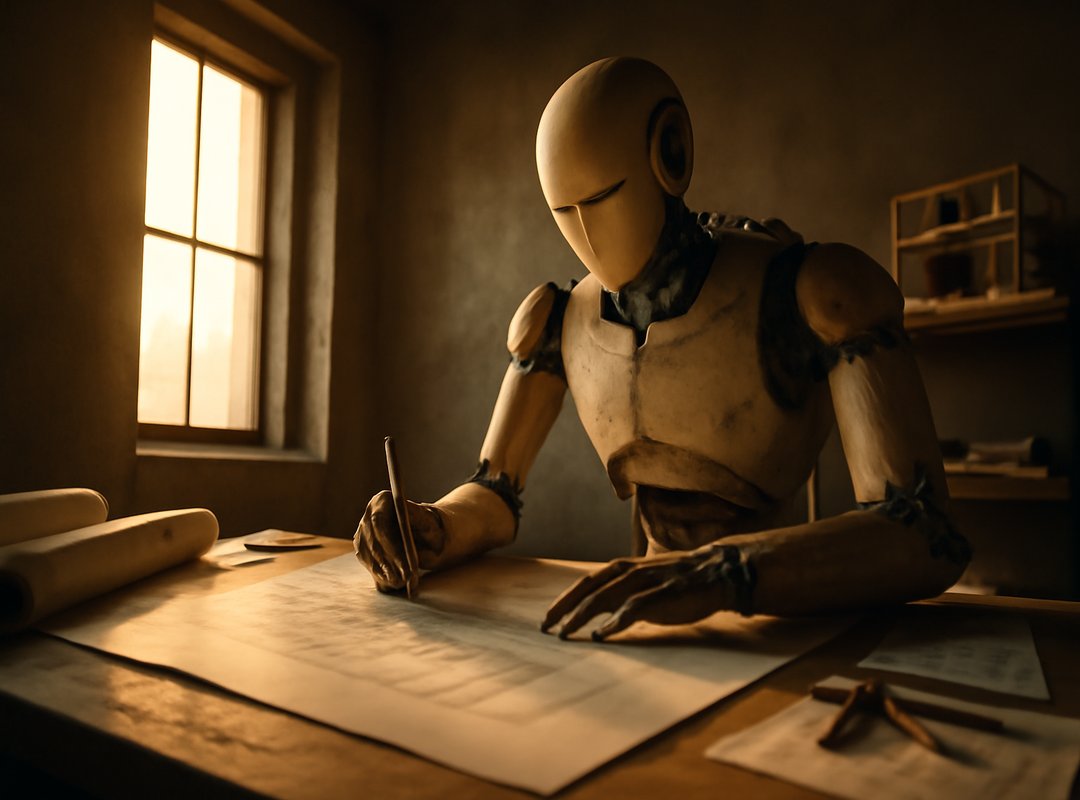
Think about game design. AI analyzes player data to craft levels that keep you on the edge of your seat. It balances game mechanics so nothing feels too easy or impossibly hard.
It’s like having an invisible hand guiding your gameplay experience.
Now, let’s talk testing. AI-powered automated testing is a game-changer. Identifying bugs, spotting exploits, stress-testing systems.
Ai does it faster and more efficiently than any human could. You ever wonder why games feel so smooth? Thank AI for that.
Performance optimization? AI’s got it covered. It manages resources and optimizes graphics, ensuring smooth gameplay across all devices.
No more lagging or crashing, just pure gaming bliss.
And here’s the kicker: AI predicts player behavior. It knows what you like and tailors experiences to fit your preferences. This makes iterative design and monetization a breeze.
You’re not just playing a game; you’re part of a continuously evolving experience. AI is the unseen architect of your digital playground.
AI in Gaming: The New Frontier
AI game development isn’t the no-brainer it seems. Sure, AI promises efficiency, but it brings a pile of challenges. Ever tried running a game with AI?
The computational demands are wild. Not to mention the data you need. It’s like filling an ocean with a garden hose.
And let’s not ignore the “black box” problem. Ai often feels mysterious, hiding its logic like a magician. You trust it, but should you?
Ethical concerns are another beast. Bias in AI-generated content? Yep, it happens.
People worry about jobs too. Is AI going to replace human developers? Maybe.
But isn’t that what we said about robots decades ago? And then there’s data privacy. Nobody wants their gaming habits ending up who-knows-where.
Artistic control is slipping through our fingers as well. AI might simplify development, but at what cost to creativity? Balancing the tech with human vision is tricky.
Yet, a future with sophisticated NPCs and hyper-personalized games excites me. AI as a creative co-pilot? That could be magical.
In the end, AI will reshape gaming beyond what we can imagine now. Interactive entertainment will keep pushing boundaries. Are we ready for it?
The Future is Now in Gaming
AI game development is shaping our industry today, not tomorrow. The complexity of AI in gaming can be overwhelming, but it also opens doors.
AI helps developers tackle creative and technical challenges. It leads to richer, more changing experiences for players.
You need to see AI as a tool, not just a buzzword.
Embrace it.
Explore the possibilities. Experiment with AI tools.
Join the wave of innovation in game creation.
Don’t get left behind. The future of gaming is bright and powered by AI. Take action now and be part of this change.
 moose641 serves as PMW Gamester's senior narrative designer and culture critic, exploring the rich storytelling and immersive worlds that define the modern landscape. With a background in tracking artistic trends and narrative structure, moose641 looks past the graphics to evaluate how compelling writing, character development, and world-building create truly unforgettable gaming experiences. From indie hidden gems to massive open-world RPGs, moose641’s insights help gamers appreciate the artistry and creative vision driving today’s industry.