
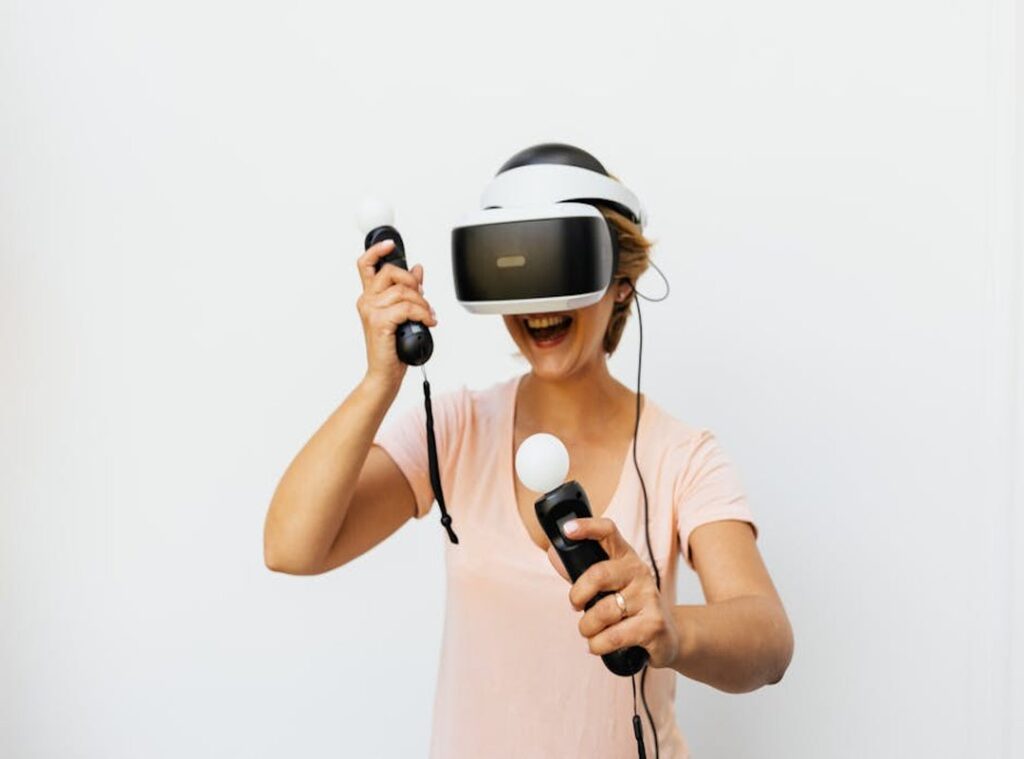
You want gaming experiences that pull you in. Not just another screen to stare at. Immersive reality is the buzzword, but let’s be real (it’s) a maze of VR, AR, and MR that can confuse anyone.
Does it feel overwhelming? I get it. You’re curious about what immersive reality really means and how it impacts your gaming.
I’ve spent years in the trenches of the gaming world, analyzing trends and technologies. This guide cuts through the hype. I’m here to give you a straightforward understanding of what makes gaming truly immersive.
We’ll dive into the current state of augmented reality games, exploring their potential and what they mean for you as a player.
You’ll see how technology has evolved and how it shapes interaction with games. I’ll break it down in a way that makes sense.
By the end, you’ll have a clearer picture of immersive reality gaming experiences. You’ll know what’s real and what’s just noise. Get ready to demystify this exciting world.
Blurring Reality: The Magic of Immersive Gaming
Ever put on a headset and feel like you’ve stepped into another world? That’s the essence of immersive reality gaming. It’s not just about playing a game; it’s about being in it.
Think of virtual reality (VR), where you’re completely surrounded by the digital area. You see, hear, and even touch things that don’t exist. Augmented reality games, on the other hand, layer digital elements onto the real world.
Remember Pokémon Go? That was AR in action.
Mixed reality (MR) is a bit of both, letting digital and real worlds interact seamlessly. Now, what about this “presence” thing everyone talks about? It’s that feeling of actually being somewhere you’re not.
VR headsets, AR glasses, and motion tracking systems make it happen. They trick your brain into believing you’re elsewhere.
The hardware behind this is mind-blowing. VR headsets wrap you in digital landscapes. AR glasses overlay your environment with interactive content.
Haptic feedback devices let you “feel” digital objects. Each tech has its unique way of engaging your senses. So, are you in the game or is the game in your world?
That’s the beauty (and the debate) of immersive gaming.
The Core Pillars: Elements That Create True Immersion in Gaming
Immersion in gaming isn’t just about graphics (though they’re important). It’s about tricking your brain into believing the virtual world is just as real as the one outside your window. Visual fidelity plays a massive role here.
A wide field of view can make augmented reality games feel expansive and alive.
Sound matters too. Spatial audio (3D sound) isn’t just a fancy add-on. It’s important for creating an atmosphere where you know if that creature is creeping up behind you.
You feel it before you see it.
Then there’s haptic feedback. Ever notice how a controller vibrating in your hands makes an action feel more intense? That tactile sensation bridges the gap between the screen and your senses.
It’s the physical layer to virtual interactions.
And don’t forget movement. Natural user interfaces and freedom of movement (hand tracking, full-body tracking) give you a sense of agency. They’re the difference between feeling like a spectator and a participant.
Finally, let’s talk stories. A compelling narrative and responsive AI can make a world feel reactive and alive. It’s like reading a good book that responds to your choices.
For more on future gaming innovations, check out the procedural generation next frontier.
Immersive Gaming: Virtual, Augmented, and Mixed Magic
When I dive into Half-Life: Alyx, I’m blown away by its immersive atmosphere. The combination of detailed environments and intuitive controls makes it stand out. Then there’s Beat Saber.
Augmented reality games like Pokémon GO changed the way we interact with our surroundings. They blend digital and real-world elements, making our sidewalks feel alive. But are they as engaging as they seem? Ingress offers a more strategic approach, and I can’t ignore how emerging AR apps are reshaping mobile gaming.
Simple yet addictive. Its rhythm-action gameplay hooks you instantly. Resident Evil 4 VR brings a classic horror to life in gut-wrenching 3D. It’s all so intense, you’d think you’re actually in a zombie-infested village.
Mixed reality is the next frontier. Imagine games where physical and digital mix seamlessly (it’s happening). They promise new gameplay mechanics that redefine immersion.
But do they deliver?
These games tap into pillars of immersion: presence, agency, and interaction. They pull us in, emotionally and mentally. It’s fascinating how they boost player engagement and genre evolution.
If you want to explore more on how tech like blockchain revolutionizing gaming, it’s worth a look.
Immersive Reality: Gaming’s New Frontier
Ever felt like you’re just watching a game, not living it? Immersive realities change that. You’re no longer a passive observer.
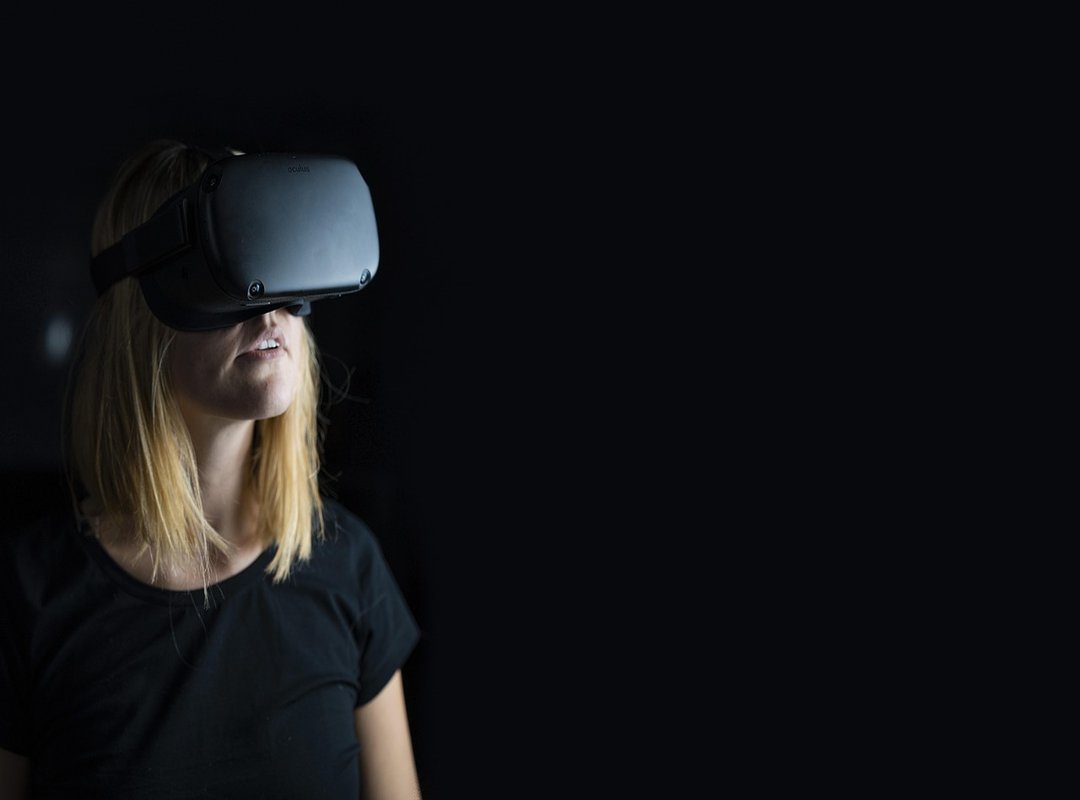
You’re inside the game, every movement and decision matters. With augmented reality games, it’s a whole new world. These aren’t just games; they’re experiences.
You interact with the game through gestures and movements, stuff you can’t do with a controller. It’s like being in a movie, but you’re the star.
Imagine the fear in a horror game when you’re the one hiding, not just watching someone else do it. The sense of wonder in a fantasy world becomes your reality. This heightened presence makes emotions more intense, and connections to characters feel real.
Game genres are evolving too. Think horror, simulations, puzzles. They’re getting fresh makeovers.
Immersive technologies offer new ways to experience them, making traditional screen-based gaming look a bit tired. Player agency skyrockets. Your choices have real consequences, not just scripted outcomes.
Curious about what games are redefining this space? Check out this resource to dive deeper into the best augmented reality games out there. Your gaming world will never be the same.
The Road Ahead: Gaming’s Next Frontier
Ever wondered what it feels like to actually touch the virtual world? Full-body suits with subtle haptic feedback are not some sci-fi dream. They’re on the horizon.
Imagine feeling the heat of a virtual sun or the chill of an icy wind. we’re headed.
But let’s talk brain-computer interfaces. Sounds wild, right? Direct thought control could revolutionize gaming.
You think it, your game character does it. But with great power comes great responsibility (thanks, Uncle Ben). We’ve got to consider the ethical implications.
Who controls whom?
Display tech is another area to watch. Lighter, higher-resolution headsets and wider fields of view could make your augmented reality games more immersive. Retinal projection might even make screens obsolete.
But are we ready to ditch our beloved screens?
AI isn’t just a buzzword. It’s shaping more changing, responsive worlds and smarter non-player characters. Imagine a game that adapts to your every move.
That’s the future.
However, accessibility and cost remain hurdles. The tech’s cool, but can everyone afford it? And how do we make sure everyone can play?
These challenges aren’t going away, but they’re worth tackling. Exciting times ahead!
Embracing Your Gaming Future
Immersive reality gaming is a game changer, not just a trend. You’ve likely felt the confusion surrounding these technologies. This guide cut through that noise, giving you clear takeaways into how to engage with augmented reality games.
So what’s next? Dive into the current offerings. Stay informed about innovations.
You have the chance to raise your gaming experience. Don’t wait. Explore now and embrace your next level of gaming reality.
Get started today.
 Elrythia Duskbane serves as PMW Gamester's senior narrative designer and culture critic, exploring the rich storytelling and immersive worlds that define the modern landscape. With a background in tracking artistic trends and narrative structure, Elrythia looks past the graphics to evaluate how compelling writing, character development, and world-building create truly unforgettable gaming experiences. From indie hidden gems to massive open-world RPGs, Elrythia’s insights help gamers appreciate the artistry and creative vision driving today’s industry.