
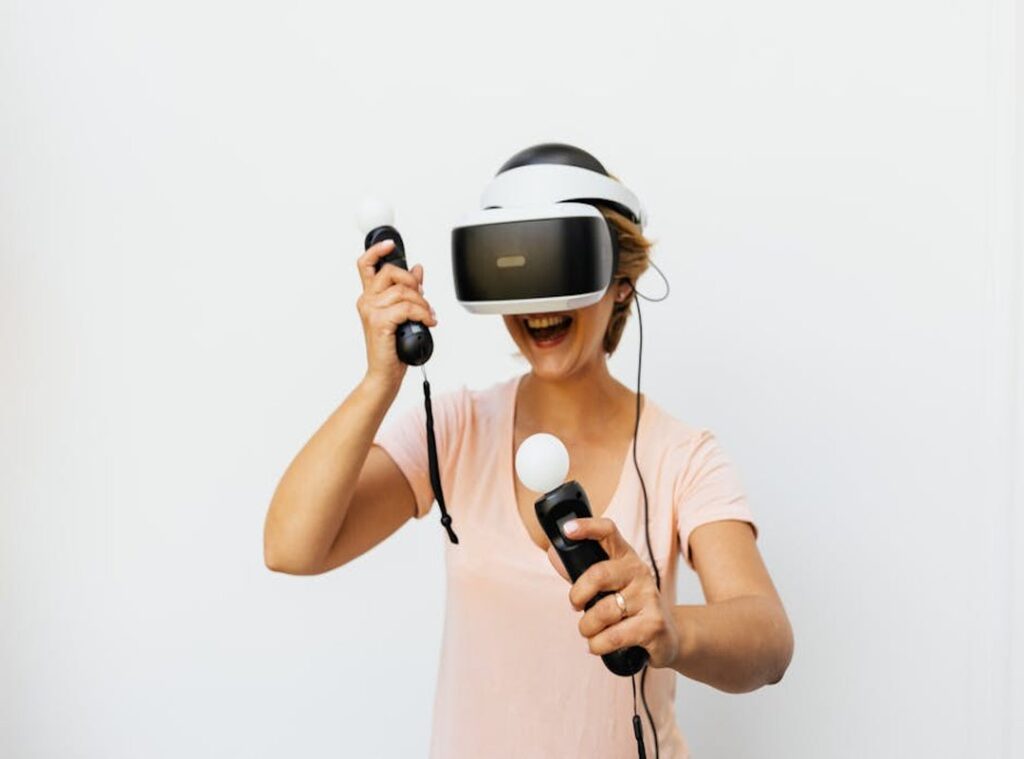
Gamers crave experiences that take them beyond the ordinary screen. But what is immersive reality? The options are confusing.
You’ve got virtual reality (VR), augmented reality (AR), and mixed reality (MR), all claiming to transport you to new worlds. It’s a lot to sift through.
I’ve spent years dissecting this space. I’ve seen the trends and the technologies evolve. This guide aims to cut through the noise.
You can trust me because I’m not here to hype things up.
We’ll define and explore what makes gaming immersive. I’ll share takeaways drawn from real experiences and industry knowledge. You’ll learn about augmented reality games and their potential to reshape how you interact with games.
By the end of this article, you’ll have a clearer understanding of immersive reality gaming. You’ll know what’s worth your time and what’s just marketing fluff. Let’s dive in and demystify this exciting area together.
You deserve gaming that truly engages your senses.
Immersive Gaming: A Reality Shift
Immersive reality gaming bends the divide between the virtual and the real. What does this mean? Picture yourself wearing a VR headset, suddenly standing on Mars.
It’s that presence. Feeling like you’re actually somewhere else (that) sets these games apart.
Let’s break it down. Virtual Reality (VR) is all about complete immersion, blocking out the physical world. You put on that headset and bam, you’re in a new universe. Then there’s Augmented Reality (AR), where digital elements boost your real-world view.
Think of games like Pokémon GO, where the digital world sits on top of your reality. Lastly, Mixed Reality (MR) blends the two (where) virtual objects interact with the real world in a believable way.
Hardware makes this magic happen. VR headsets, AR glasses, and motion tracking systems are the basics. Plus, haptic feedback devices let you feel the game.
It’s wild how much tech is involved, right?
For more on the evolution of VR, check out the virtual reality next big leap. Each type gives us a unique experience, but what they all share is a dive into new realms. And really, isn’t that what gaming’s all about?
Gaming’s Core: True Immersion Elements
Ever felt like you were really inside a game? That’s no accident. Visual fidelity tricks our brains into buying the fantasy.
A wide field of view? That’s just icing on the cake. You want to feel like you’re in another world, right? spatial audio steps up.
It creates a believable soundscape, enhancing your awareness of the digital environment. You don’t just hear sounds; you’re surrounded by them.
But let’s not forget haptic feedback. It’s not just about making the controller rumble. It’s about adding a physical layer to virtual interactions.
Feel the vibration of a car engine or the resistance of a sword swing. These sensations make the experience real. And in a world where augmented reality games are evolving, tactile feedback becomes even more key.
What about freedom of movement? Natural user interfaces like hand and full-body tracking give you a sense of agency. You aren’t just pressing buttons.
You’re moving, you’re interacting, you’re living the game. Then there’s the non-tech stuff: solid narrative and believable world-building. Without these, even the best graphics fall flat.
It’s the story and AI interactions that make a virtual world feel alive. So, what’s your immersive game moment?
Immersive Gaming: The New Frontier
Virtual reality games like Half-Life: Alyx, Beat Saber, and Resident Evil 4 VR are dragging players into universes you can’t help but get lost in. It’s not just about the graphics. It’s about feeling like you’re truly there (something flat screens just can’t do).
The magic lies in how these games use sensory engagement, pulling you from your couch to another world entirely.
Then there are augmented reality games. Remember the Pokémon GO phenomenon? It didn’t just get people moving; it merged gameplay with reality in a way that felt new. Ingress did something similar, turning the world into a tactical playground.
There’s something wild about seeing digital creatures pop up in your backyard, isn’t there?
Mixed reality is stepping in too. Imagine physical and digital objects interacting seamlessly. It’s not just a gimmick; it’s changing gameplay mechanics in ways we haven’t fully grasped yet.
These experiences are redefining what gaming can be.
All these games are reshaping player engagement and evolving genres. They’re not just entertainment; they’re experiences that play with our emotions and reactions. The leap from traditional gaming to this immersive world is a shift we’re all watching closely.
Who knows what’s next?
Beyond the Screen: Immersive Gaming’s New Reality
Immersive gaming is where you stop watching and start living the game. You’re not just controlling a character; you’re becoming them. This shift redefines everything.
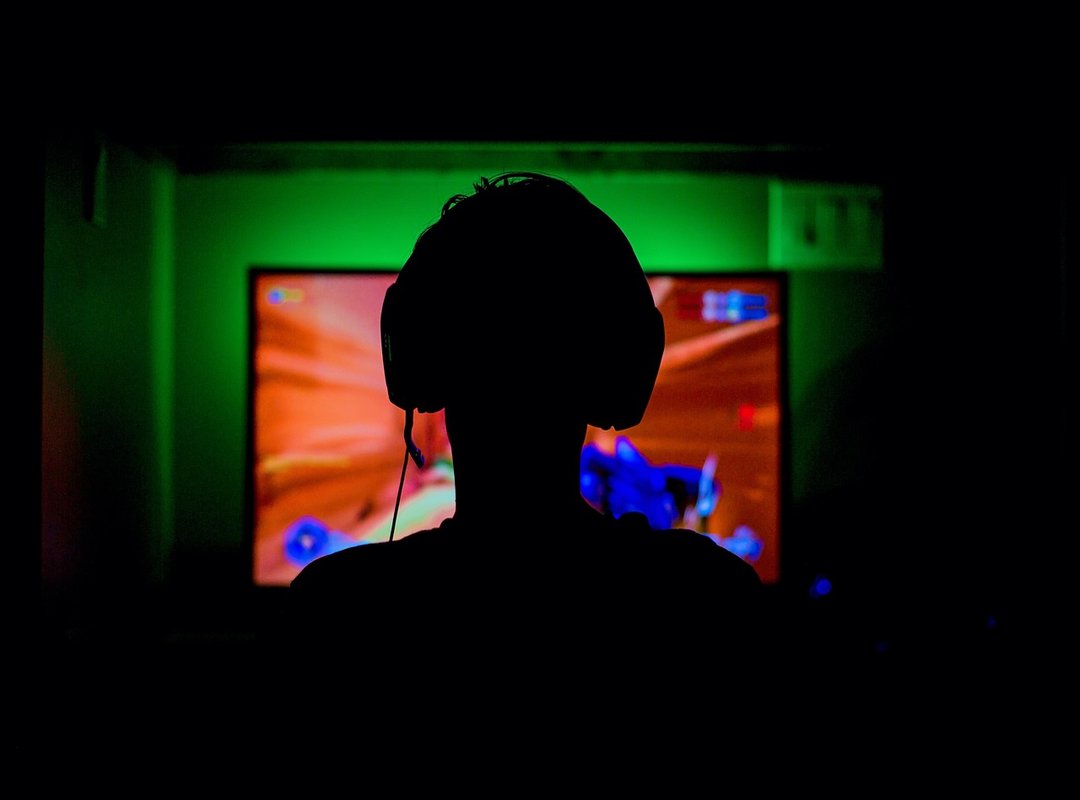
In augmented reality games, it’s all about interaction. You’re using physical gestures and movements. You’re manipulating objects intuitively.
These experiences are impossible with traditional gaming.
Consider the psychological impact. When you’re fully present, emotions hit harder. Fear, wonder, excitement (they’re) all amplified.
You feel deeply connected to the game world and its characters. This creates a richer, more intense gaming experience.
Immersive technologies are shaking up genres like horror, simulation, and puzzle games. They offer fresh takes that traditional games just can’t match. It’s not just about better graphics or sound.
It’s about a whole new way to play.
Player agency is another game-changer. In immersive games, your decisions carry more weight. You feel the consequences more personally.
There’s a heightened sense of involvement. Compare that to traditional screen-based gaming, where choices often feel detached and inconsequential.
And let’s not forget how cloud gaming redefining accessibility is changing the space. It’s all connected, expanding how we think about games. Immersive gaming isn’t just a trend; it’s the future.
The Road Ahead: Innovations in Immersive Gaming
Immersive reality gaming is on the brink of a revolution, and I can’t help but wonder if we’re ready for it. Haptic technology is primed to take a giant leap forward. Imagine wearing full-body suits that make virtual worlds feel tangible.
It’s not just about vibrations anymore. We’re talking about subtle haptic feedback that brings a tactile experience to life.
Then there’s the potential of brain-computer interfaces (BCIs). Direct thought control? It’s like something out of a sci-fi movie.
But the ethical implications are mind-boggling. Who’s controlling what. Or whom?
Display technology isn’t sitting still either. Lighter, higher-resolution headsets are coming, offering wider fields of view. Retinal projection could soon be a reality.
And let’s not forget AI. It’s reshaping how we interact with games, creating adaptive worlds and characters that feel truly alive. But the question remains: Will these augmented reality games become accessible to everyone?
Cost and accessibility still pose significant hurdles.
Sure, these innovations promise a lot, but widespread adoption? That’s a whole different ballgame. We might be on the verge of something incredible, but are we overlooking the challenges in our excitement?
Embrace Your Gaming Future
Immersive reality gaming isn’t a passing trend. It’s a shift that’s changing how we connect with digital worlds and fulfills our desire for deeper engagement. I get that the tech can feel confusing.
This guide aimed to clear that up. By breaking down complex ideas, I showed you what true immersion looks like. Now, explore available options and stay tuned for what’s next.
Dive into augmented reality games and step into your next gaming reality. Keep learning and engage with new gaming takeaways.
 moose641 serves as PMW Gamester's senior narrative designer and culture critic, exploring the rich storytelling and immersive worlds that define the modern landscape. With a background in tracking artistic trends and narrative structure, moose641 looks past the graphics to evaluate how compelling writing, character development, and world-building create truly unforgettable gaming experiences. From indie hidden gems to massive open-world RPGs, moose641’s insights help gamers appreciate the artistry and creative vision driving today’s industry.