
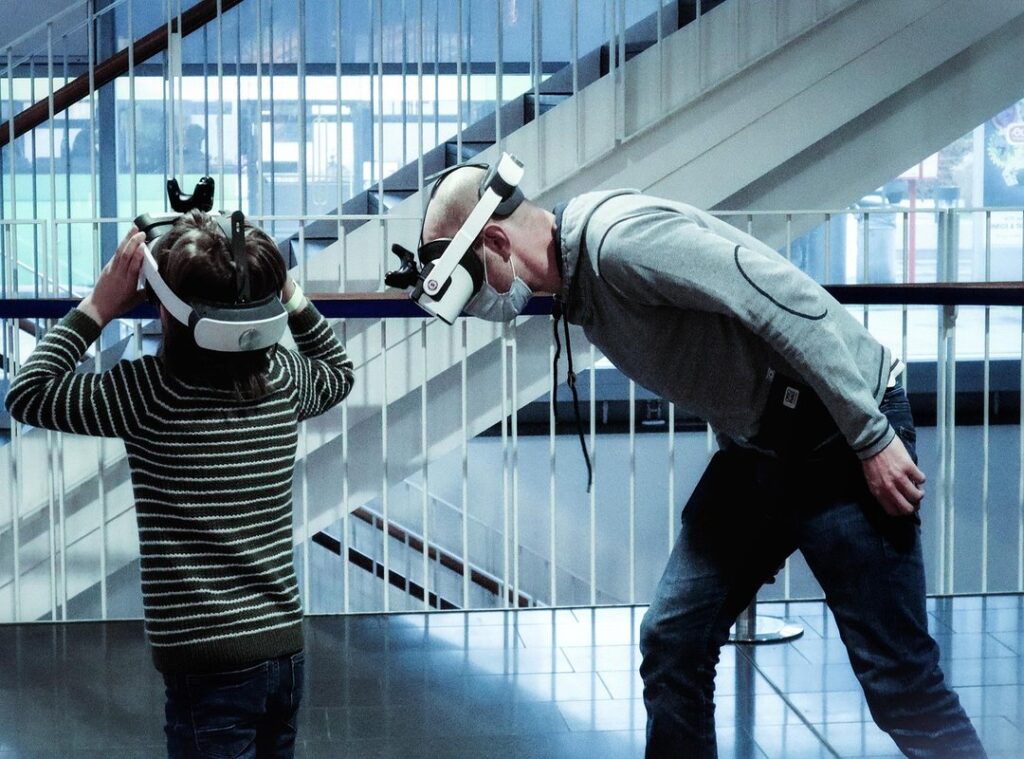
We all want to step into a game and feel like we’re really there. It’s frustrating when a game feels flat or just doesn’t pull me in. This article is here to demystify what makes a game truly immersive and provide actionable takeaways for deeper engagement.
I’ve spent years analyzing what connects players to virtual worlds. Trust me, it’s not just the graphics or sound; it’s about the entire experience.
You’ll learn about the technology behind virtual reality gaming and how it transforms gameplay. But it doesn’t stop there. I’ll share practical strategies to boost your own gaming sessions.
By the end, you’ll have a solid grasp on what makes for genuinely immersive gaming experiences. I’ll guide you through the details and give you the tools to dive deeper into your favorite games. Let’s get started.
What Makes Gaming Truly Immersive?
Immersive gaming isn’t just playing. It’s living in a game world so vividly that you forget the real one. It’s not just about engagement; it’s about being so absorbed that you lose track of time.
Virtual reality gaming tries to do this by putting you in the shoes of the character, but there’s more to it than just strapping on a headset.
Let’s talk about sensory engagement first. When a game nails the visuals, audio, and even haptics, you’re not just playing; you’re feeling. It’s the difference between watching a movie and being in it.
Then there’s narrative depth. A good story pulls you in, but a great one makes you care. Characters with real arcs and lore you want to explore?
That’s gold.
Player agency is next. Choices matter. You want to feel that your decisions change the world around you.
And let’s not forget emotional connection. It’s the excitement or tension that makes your heart race.
Some games are fun but lack that “pull.” They’re like popcorn flicks: enjoyable but forgettable. For a deeper dive into how game design evolves with tech, you might want to read more.
Deep Dive: The Hardware Behind Gaming Immersion
Ever wondered what really makes virtual reality gaming feel so real? It’s all in the tech. Seriously, the difference between a good game and a mind-blowing one often boils down to hardware.
Take high-fidelity visuals. A 4K display with HDR can turn a game into a living canvas. Add in ray tracing, and suddenly, light behaves like it does in real life.
It’s not just eye candy; it’s the foundation of believable environments. But visuals alone won’t cut it. Enter spatial audio.
With 3D audio, you can hear footsteps behind you and wind rustling leaves. It’s not just about hearing. It’s about feeling the world around you.
Then there’s haptic feedback. Ever used a force feedback steering wheel? It’s not just a gimmick.
Haptic vests and controllers make every punch and crash more real. And let’s not forget VR and AR. These technologies literally put you inside the game.
You’re no longer just an observer; you’re a participant.
Sure, software advancements play a role too. Realistic physics engines and AI behaviors make worlds more changing. But without the right hardware?
They’re just code. So, next time you game, remember: the magic lies in the tech.
Game Design Secrets: Crafting Unforgettable Worlds
Creating a game world that sticks with you is no easy feat. It starts with compelling world-building. Think environmental storytelling.
It’s not just about the visuals (it’s) about the lore and ecosystems. Ever noticed how some games feel “lived in”? That’s not by accident.
Developers craft these worlds with care, making every corner tell a story.
Player-driven narratives are another key. Games that allow branching storylines and meaningful choices? They let you shape your own experience.
It’s like being the director of your own movie. But how do you keep players immersed without overwhelming them? Subtle UI design helps.
Minimal interfaces reduce distractions, letting you focus on the world itself.
Then there’s pacing and atmosphere. It’s a careful balance between intense moments and peaceful exploration. Changing lighting and weather systems boost that.
And let’s not forget sound design. Music, ambient sounds, and voice acting all evoke emotions and enrich storytelling.
Virtual reality gaming is pushing these boundaries even further. Want to see where this is headed? This guide can give you a glimpse into the future. It’s an exciting time for game design, and I can’t wait to see what’s next.
Max Out Your Gaming Experience: The Real Deal
I’ve been gaming for years, and if there’s one thing I’ve learned, it’s that immersion is everything. You want to be sucked into the game, right? Let’s start with your setup. Improve your display like it’s your job.
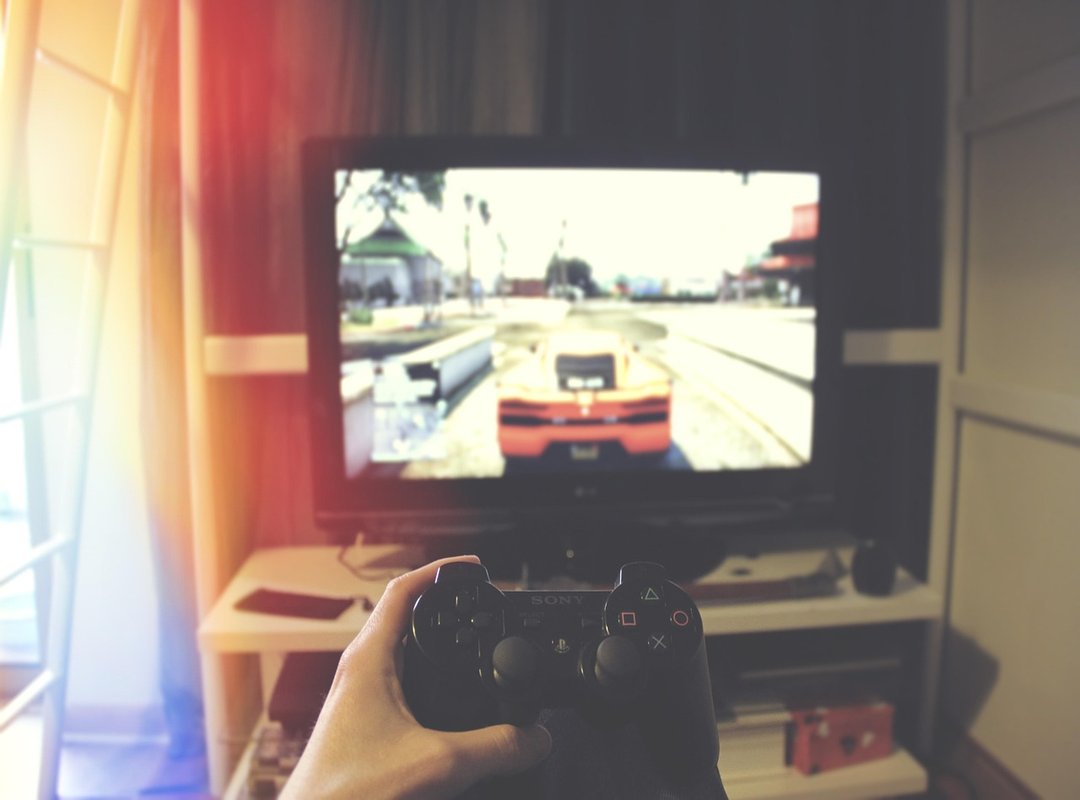
Proper calibration makes a world of difference. And don’t even get me started on audio (headphones) over speakers any day for that enveloping sound.
Now, tweak those in-game settings. Adjust the Field of View (FOV) and mess with motion blur until it feels right. UI scaling and controller sensitivity are your friends; personalize them.
External distractions? They’re your worst enemy. Create a dedicated space for gaming and shut off those pesky notifications.
Tell your friends and family you’re diving deep (they’ll understand).
Engage with the lore. Seriously, read those in-game documents. They add layers to the story you didn’t know were there.
Dive into dialogues, get lost in backstories.
Finally, experiment with peripherals. Give virtual reality gaming a shot. A VR headset could transform your gaming world.
Trust me, haptic controllers can add a crazy level of realism.
Pro tip: Don’t cheap out on ergonomics. Your neck will thank you later.
The Horizon: Next-Level Immersive Gaming
Let’s cut to the chase. The future of virtual reality gaming is mind-blowing. We’re talking about advanced haptics.
Imagine suits and gloves that make you feel every punch or brush of wind. It’s not just about sight anymore; it’s full-body immersion. Ever thought about controlling a game with your mind?
Brain-Computer Interfaces (BCIs) are pushing us there. Direct thought control and sensory input could make your wildest sci-fi dreams a reality.
But what about the characters we interact with? Hyper-realistic AI is on the brink of creating NPCs that are truly believable. These aren’t your typical robotic responses.
We’re talking about personalities that adapt and grow with you. And then there’s the metaverse. Persistent worlds where you can actually “live” your digital life.
It’s not just a game. It’s a lifestyle.
Let’s not ignore adaptive storytelling. Imagine games that change based on your emotions and past actions. It’s personalization on steroids.
Of course, with great power comes great responsibility. Ethical challenges loom. How immersive is too immersive?
When do we blur the lines of reality and game? It’s a wild journey, but one we can’t ignore.
Dive Deeper into Gaming
You now have the tools to seek out immersive experiences in virtual reality gaming. That craving to go beyond basic gameplay? You can satisfy it.
Achieving real immersion takes effort from players and developers alike.
Now is the time to act. Improve your setup or explore new genres. Approach your next game with the intent to engage deeply.
Don’t just play; live the game. This journey starts with you. Call your gaming buddies, dive into new worlds, and let your gaming life explode with depth.
Are you ready to take the plunge?
 As PMW Gamester's lead mechanics analyst, FierceRabbit brings a razor-sharp focus to the technical side of modern gaming. FierceRabbit specializes in dissecting complex gameplay loops, breaking down competitive meta shifts, and explaining the intricate engineering behind responsive game design. Whether decoding frame data or evaluating balancing patches, FierceRabbit's deep technical expertise ensures our readers always understand not just what changed in their favorite titles, but exactly how it impacts their next match.