

Video games hold a treasure trove of possibilities, and I’m not talking about what’s just in the box. Many gamers don’t realize there are organized communities out there crafting enhancements that can make their gaming experience far richer.
Ever wondered how people get those wild mods that change everything? It’s often the passionate work of game modding communities. Yet, engaging with these groups can feel intimidating and risky.
That’s where I come in. I’ve spent time observing these communities. I’ve seen the creativity and collaboration that fuel innovation in gaming.
This article aims to demystify the world of gaming modification groups. I’ll explain their purpose and show you how to safely participate or even create your own.
You’ll learn how to connect with like-minded gamers and discover how much more your favorite games can offer.
Trust me, diving into this scene can open up a whole new level of enjoyment. So let’s get started and open up the potential of game modding together.
Game Modding Communities: More Than Just Code
Let’s talk about game modding communities. They’re not just solo gamers tinkering in the dark. These are organized communities where gamers, developers, artists, and enthusiasts come together.
Why? To alter, boost, or create new content for video games.
Does that make sense?
Now, individual modders are great, but there’s power in numbers. When these folks combine their skills, they tackle larger projects and maintain better quality control. It’s like forming a band instead of being a one-man show.
These communities take many forms. You might find them on online forums, dedicated Discord servers, or specialized websites like ModDB and Nexus Mods. Sometimes, they even evolve into open-source development projects. the role forums gaming culture comes in, providing a platform for these creative collaborations.
Why do they exist? It’s simple: to improve gameplay, fix bugs, add new content, and sometimes create entirely new experiences. Total conversions and preserving older games for new generations?
That’s their jam.
Think about iconic games like The Elder Scrolls series, Minecraft, and Grand Theft Auto. They’ve been heavily influenced and extended by these communities. It’s impressive how much impact they have.
Beyond Official Releases: The Magic of Modding
I’ve seen how game modding communities transform gaming. They’re like hidden treasures where creativity and collaboration explode. You know what I mean?
These groups build a sense of belonging and mentorship that you just don’t find everywhere. People come together, share ideas, and build something bigger than themselves. It’s not just about tweaking a game; it’s about crafting new experiences.
Modding isn’t just a hobby. It’s a solid outlet for creativity. You get to express your unique ideas and learn valuable skills like programming and 3D art.
Ever tried it? You might surprise yourself. Plus, mods breathe new life into games, making them relevant long after their official release.
Skyrim, anyone?
But here’s the kicker: modding hands creative control to players. We get to customize and shape our gaming worlds. It’s empowering.
This isn’t just about extending a game’s life. It’s about ownership.
And don’t forget the relationship between developers and modders. It’s a dance. Developers often provide tools and even hire talented modders.
This collaboration keeps the scene lively. Check out game modding communities if you haven’t. It’s where the magic happens.
Finding Your Modding Groove: Join and Contribute with Ease
Game modding communities can be intimidating at first. But trust me, they’re your golden ticket to creativity. Start with the usual suspects: Nexus Mods, ModDB, and those bustling forums dedicated to your favorite games.
Subreddits are another haven. All these places have one thing in common (passionate) gamers just like you.
Want to know a secret? Look for active groups, not those ghost towns. Check if they’ve got a buzzing chat on Discord or a tight-knit team on GitHub.
Stability is key. You don’t want to waste your time on projects that fizzle out.
Once you find your spot, start small. Testing existing mods or giving feedback is like dipping your toes in the water. If you’ve got skills (coding,) 3D modeling, lore writing (use) them.
Find where you fit in and make yourself indispensable.
Remember to play by the rules. Respect protocols and intellectual property rights. Learning to mod isn’t a sprint; it’s a marathon.
Be patient and keep at it. It’ll pay off.
Oh, and for a quick cultural detour, check out this Twitch Streams Cultural Phenomenon. It’s a fascinating side of the gaming world.
Beyond the Code: Modding’s Impact on Gaming Culture
Game modding communities are more than just hobbyists tinkering with code. They’re driving forces reshaping gaming culture. They spark innovation and set community standards.
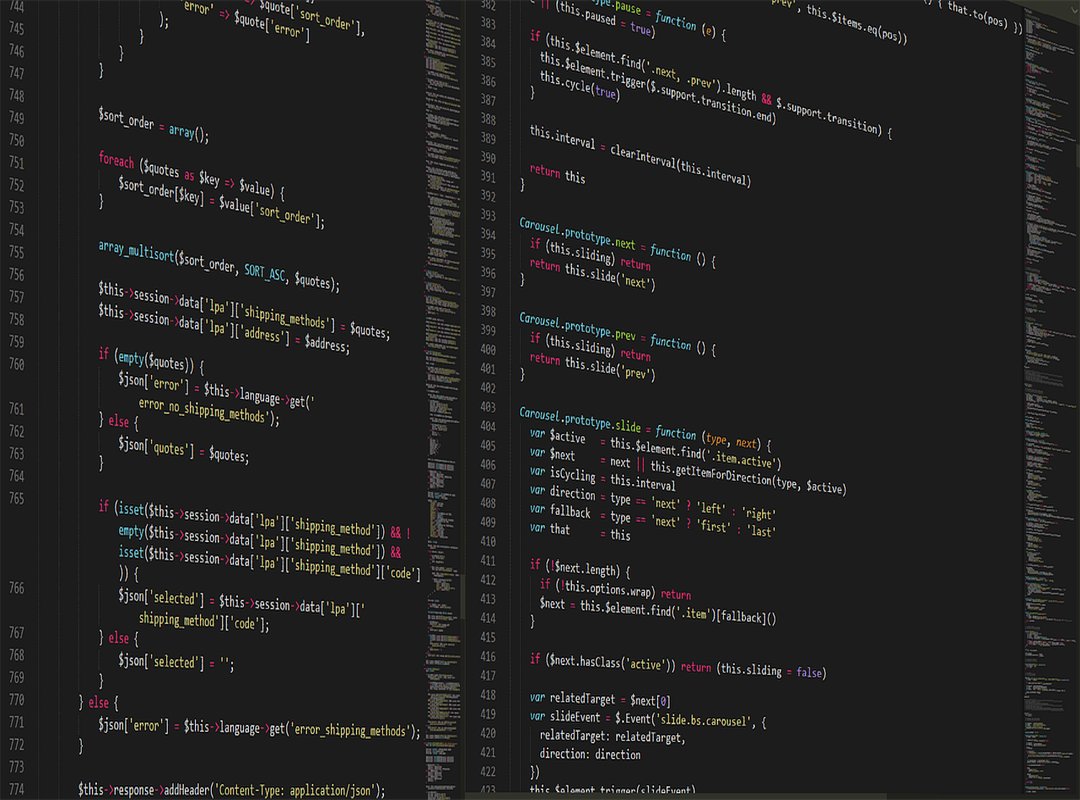
Ever notice how some mods become official features? That’s no accident. Developers pay attention.
Sometimes, they even recruit successful modders. But let’s be real, there’s a darker side too.
The rise of paid mods stirred up controversies. Who profits, and is it fair? These questions hang heavy.
Modding’s economic impact is undeniable. Yet, ethical lines blur. Take intellectual property (IP).
Balancing enhancement with potential infringement is tricky. Nobody wants a lawsuit.
Then there’s fair play. Some mods give unfair advantages in multiplayer games. It’s a problem.
Security risks also loom large. Downloading unverified mods could invite malware. That’s a gamble you don’t want to take.
Content moderation adds another layer. Offensive material can slip through. It’s a constant battle to keep communities safe.
Finally, the piracy dilemma: updating old games or aiding illegal distribution? That line’s razor-thin.
Modding’s not just about gaming. It’s a culture, an economy, and yes, an ethical minefield. But isn’t that what makes it so compelling?
From Vision to Reality: Building Your Own Modding Community
So, you’re thinking about diving into game modding communities? Let’s cut to the chase. You need a niche.
What’s the game, and what’s the mod? Are you fixing bugs or crafting a new universe? These choices define your community.
Next, build a diverse core team. Coders, artists, designers (each) brings something key. Don’t forget project managers.
They’re the glue holding it all together. Without them, chaos reigns.
And where will you share your mod? ModDB or Nexus Mods are solid choices.
Tools matter. Git for version control, Discord for chat, Trello for tasks. You can’t skip these.
Goals and guidelines (set) them early. What’s the scope? Who’s doing what?
Clear roles prevent confusion. A compelling vision keeps everyone motivated.
But how do you grow? Attract new members with a positive, inclusive vibe. Conflict is inevitable, but manage it well.
Legal stuff, though. Ignore it at your peril. Copyrights, disclaimers, and distribution rules aren’t optional.
Got it? Good. Building a community is a journey.
But with the right steps, your vision becomes reality. Now, what’s stopping you?
Engage in the Game Modding Revolution
You’ve learned about the lively world of game modding communities. Don’t let the fear of missing out hold you back any longer. Engaging with these groups unlocks creativity and helps you connect with others who share your passion.
You can a lot boost your gaming experience and extend the life of your favorite games. So what’s stopping you? Explore existing communities or start your own project.
Dive in and shape your gaming future today. Your journey to a richer gaming experience starts now. Take action.
Join a modding group and watch your gaming world expand.
 moose641 serves as PMW Gamester's senior narrative designer and culture critic, exploring the rich storytelling and immersive worlds that define the modern landscape. With a background in tracking artistic trends and narrative structure, moose641 looks past the graphics to evaluate how compelling writing, character development, and world-building create truly unforgettable gaming experiences. From indie hidden gems to massive open-world RPGs, moose641’s insights help gamers appreciate the artistry and creative vision driving today’s industry.