
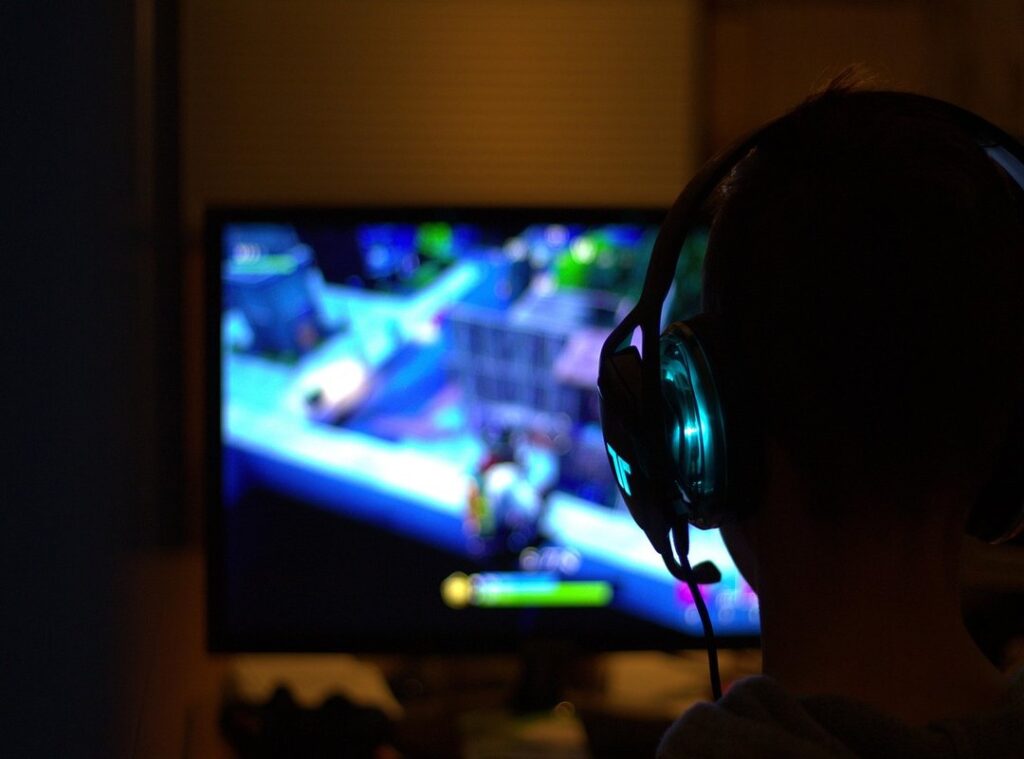
Online gaming can be a paradox. You connect with countless players, yet the experience often feels solitary.
Finding consistent, like-minded players can be a real challenge. You want a social environment, but it’s tough to get that when everyone is just grinding solo.
I’ve spent years building and navigating online gaming communities. I know what works and what doesn’t. I’ve seen the dynamics of successful interactions in virtual spaces.
This article is your guide to understanding, finding, creating, and thriving in virtual gaming groups.
I’m here to offer practical advice based on real experiences. No fluff, just what you need. You should trust what I say because I’ve learned from both successes and failures in this area.
Whether you’re a casual gamer or a hardcore enthusiast, this guide will help you connect with others in meaningful ways.
I’ll break down how to find your tribe, engage with them, and make your gaming experience truly social. Let’s dive in and create a more connected gaming world together.
Virtual Gaming Groups: Important Connections
Virtual gaming groups aren’t just random matchmaking or temporary lobbies. They’re structured communities that bring gamers together for consistent interaction and shared goals. Why do these groups matter?
For online gaming communities, they create lasting friendships and boost gameplay.
The core purpose here is simple: build a community where everyone knows your name (and your gamer tag). You get coordinated strategies and skill development. Who doesn’t want to level up with friends?
Plus, these groups give you access to specific content like niche games and competitive esports. You won’t find this in generic matchmaking.
Then there’s the social connection. Overcoming geographical barriers means you could be best friends with someone from thousands of miles away. It’s not just about the game; it’s the camaraderie.
Sure, you can solo queue and hope for the best, but why would you? With support and mentorship, you learn from experienced players and help newbies. This sharing is what makes gaming less stressful and way more enjoyable.
In short, virtual gaming groups are important. They’re the backbone of a fulfilling online gaming experience. So, are you ready to dive into one?
Finding Your Clan: Gaming Groups Online
You want to find a gaming group that feels like home. I get it. The first step? Discord.
It’s a treasure trove of game-specific servers. Use the search bar to find your game, then jump into ‘looking for group’ channels. But don’t just dive in.
Vet these communities. Look for active chats and event schedules. (No one wants to join a ghost town, right?)
Next, hit up Reddit. Subreddits like r/lfg or game-specific ones like r/DestinyTheGame are gold mines for finding groups. You never know, the perfect group might just be a post away.
Don’t overlook in-game guilds or clans. They’re right under your nose. Use the in-game tools to find active communities.
It might take some digging, but it’s worth it.
Finally, check out specialized forums and websites. These platforms focus on specific game genres or competitive play. You need a group that matches your goals, whether casual or competitive.
For more on building your gaming community, check out the game forums community building page. It’s full of takeaways for those serious about joining online gaming communities.
Crafting Your Own Virtual Gaming Group: A Real Guide
So you’re ready to dive into the world of online gaming communities, but nothing out there fits? Let’s build your own. First, know your niche.
Are you all about plan games or RPGs? Decide your focus. Your group’s playstyle matters too: casual, hardcore, or something else entirely?
Think about your audience. Who do you want to attract? Consider time zones.
No one wants to game alone at 3 AM. Now, pick a platform. Discord is my go-to.
Setting up a server? Create channels for general chat, game specifics, and LFG (Looking for Group). Roles and bots keep things tidy.
Recruitment starts small. Invite friends and acquaintances. Then, branch out.
Post on subreddits, game forums, and social media. Describe your group clearly. It’s like fishing (be) patient.
Rules aren’t just for fun. Establish clear communication guidelines, activity requirements, and ways to handle conflict. No one likes drama.
Feeling overwhelmed? You can learn more about engaging audiences here. Remember, building a gaming group is like creating a club.
It needs purpose, people, and a platform. What are you waiting for? Get started!
Raise Your Gaming Group: Important Tips and Tricks
You know what’s missing in most online gaming setups? Genuine connection. In the sea of online-gaming-communities, finding a thriving group that respects each member is rare.

Let’s change that.
First, communication. Ever been in a game where someone’s mic sounds like static from hell? Clear mics are non-negotiable.
Active listening matters too. You might think it’s all about the games, but really, it’s about the shared experience.
Now, scheduling. Chaos reigns without it. Use tools like Discord bots or shared calendars for game nights.
They work wonders. Assign roles. Not everyone can lead or strategize (sometimes, you need a healer).
Engagement isn’t just playing. Organize regular events. Throw in movie nights or random chat sessions for good measure.
They build camaraderie. And don’t forget. Feedback loops.
They’re the backbone of a healthy group.
Having opinions is great but keep it respectful. Toxicity kills groups faster than bad Wi-Fi. Remember, a positive atmosphere makes everyone want to log in.
Keep it real, keep it fun, and watch your group thrive.
Navigating Pitfalls in Virtual Gaming Groups
Let’s face it, running online gaming communities can be tricky. Skill levels vary wildly. You’ve got newbies fumbling with controls while pros rack up headshots. Inclusive play is your secret weapon.
How? Pair veterans with beginners for coaching. Organize separate events for different skill levels.
It works wonders.
Burnout? A real threat. The same people planning everything get exhausted (trust me, I’ve been there).
Rotate leadership. Share the load. Let’s talk games: introduce fresh content to keep things spicy.
People love novelty (like) a new season of their favorite show.
Can we talk about conflict? It happens. Maintain clear rules.
Even in gaming, you need boundaries. When disputes arise, encourage private mediation first. Public clashes get messy.
Sometimes you need a zero-tolerance policy. Protect the group’s vibe and kick out toxic players when necessary.
Time zones. The bane of global groups. But we can handle it.
Schedule events using polls. Rotate timings so everyone gets a chance to join. Pro tip: keep communication open.
If you’re honest about challenges, you’ll find solutions together. Online gaming communities thrive on collaboration and candid chats. Keep it real and keep it fun.
Connect Through Gaming
I know the struggle of feeling isolated in online gaming communities. It’s frustrating to play solo when you crave real connections. The good news?
You can change that.
Virtual gaming groups bring structure and camaraderie that raise your experience. They help you find friends and make gaming more rewarding.
So, what’s next? Apply what you’ve learned. Actively search for a group that fits you or take the initiative to start your own.
Don’t let another game night go by without a sense of community.
Your ideal gaming crew is out there, waiting to transform your online adventures. Dive in and level up your social gaming experience today. You deserve it.
 moose641 serves as PMW Gamester's senior narrative designer and culture critic, exploring the rich storytelling and immersive worlds that define the modern landscape. With a background in tracking artistic trends and narrative structure, moose641 looks past the graphics to evaluate how compelling writing, character development, and world-building create truly unforgettable gaming experiences. From indie hidden gems to massive open-world RPGs, moose641’s insights help gamers appreciate the artistry and creative vision driving today’s industry.